Support
FAQs
We export both lead-acid batteries (including automotive, deep cycle, SMF, and industrial batteries) and LiFePO4 batteries for various applications.
Lead-acid batteries are known for their affordability, robustness, and suitability for specific applications like automotive and standby power. LiFePO4 batteries, on the other hand, offer higher energy density, longer lifespan, and lighter weight, suitable for applications requiring higher performance and efficiency.
Our company offers a diverse range of battery solutions to cater to different needs and applications. We ensure high-quality standards, competitive pricing, and customization options tailored to customer requirements.
We implement stringent quality control measures and adhere to international standards (e.g., ISO certifications) to ensure that both lead-acid and LiFePO4 batteries meet performance and safety requirements across global markets.
Yes, we offer customization services for battery specifications, packaging, and labeling to meet specific OEM and bulk order requirements.
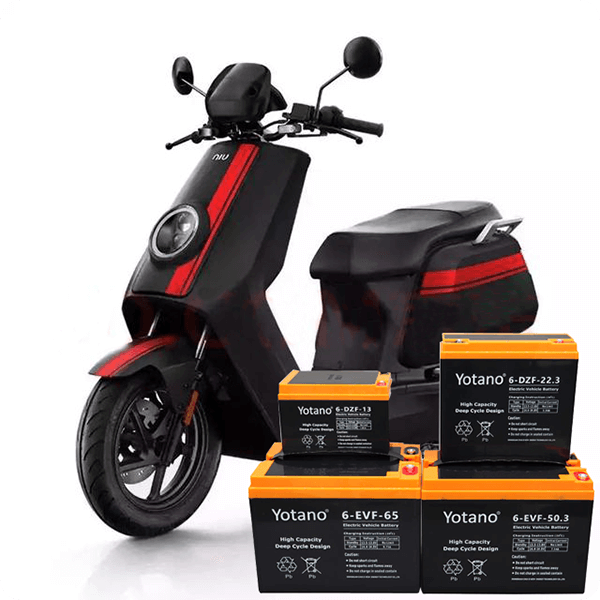
Our batteries are used in a wide range of applications including automotive, renewable energy storage, telecommunications, industrial equipment, and UPS systems.
Absolutely, we offer comprehensive technical support and after-sales service to ensure smooth integration, optimal performance, and customer satisfaction worldwide
Yes, our batteries comply with international shipping regulations (e.g., UN38.3 for LiFePO4 batteries) and safety standards to facilitate hassle-free transportation and use across borders.
Lead-acid batteries contain sulfuric acid and should be handled with care to avoid spills and exposure. LiFePO4 batteries are generally safer and less prone to thermal runaway compared to other lithium-ion chemistries.
Lead-acid batteries perform best at moderate temperatures and may require heating in cold environments. LiFePO4 batteries have a wider operating temperature range and perform well in both hot and cold conditions.
Our batteries are covered by industry-standard warranties that vary based on battery type and application. Details can be provided upon request or found in our product specifications.
Lead-acid batteries should be stored in a cool, dry place and periodically charged to prevent sulfation. LiFePO4 batteries have a longer shelf life and can be stored for extended periods without maintenance.
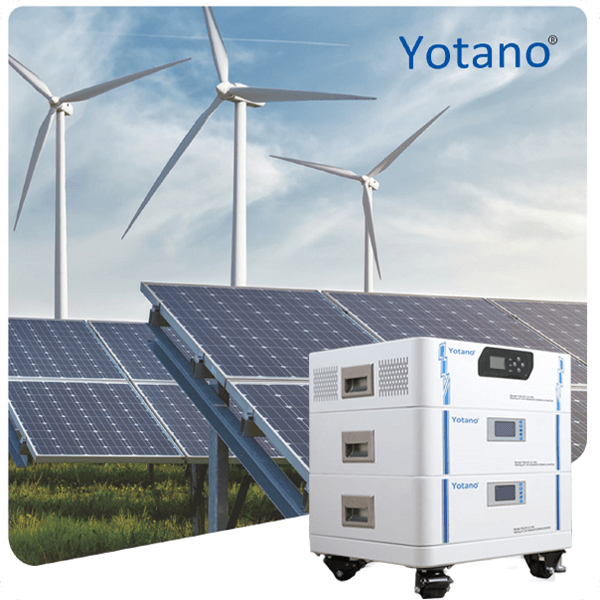
Yes, both battery types are suitable for renewable energy storage applications, offering reliable performance and long-term durability when integrated properly into energy management systems.
Yes, charging protocols differ between lead-acid and LiFePO4 batteries. Our technical support team can assist in selecting the appropriate charging equipment and procedures for your specific battery type.
While initial costs may vary, the total cost of ownership considerations including maintenance, replacement frequency, and performance characteristics should be evaluated based on your application’s needs.